Remove the bottlenecks holding back your company’s growth.
MonteDev understands the operation first. Then it integrates, automates or builds only what solves the problem.
Growth should bring results, not new problems.
Have you heard any of these in your company? The cost is spread thin: a few hours here, an error there, a decision made with last month’s numbers.
- Our systems don't talk to each other.
- Every month someone loses two days building the same report.
- The information exists, but nobody can find it.
- The tool we use can no longer keep up.
- I'm afraid of switching systems and losing everything.
The answer is not always new software.
We don't start by offering technology. Sometimes the answer is changing a process, and we say so.
Connect
We link the systems you already use, so nobody copies data from one to another.
Automate
The task that repeats every week runs on its own, in the format the team already knows.
Build
When no tool fits, we build the smallest system that solves it.
Follow up
After delivery, we monitor errors and performance so the problem doesn’t come back.
Everything starts with the diagnosis.
- You tell us how the work really flowsWho does what, in which tool, how long it takes.
- We find where the information stallsThe point where someone waits, copies, double-checks or redoes.
- We separate what hurts mostNot every bottleneck is worth fixing right now.
- You leave with a written directionWhich bottleneck to tackle first and what kind of solution it needs.
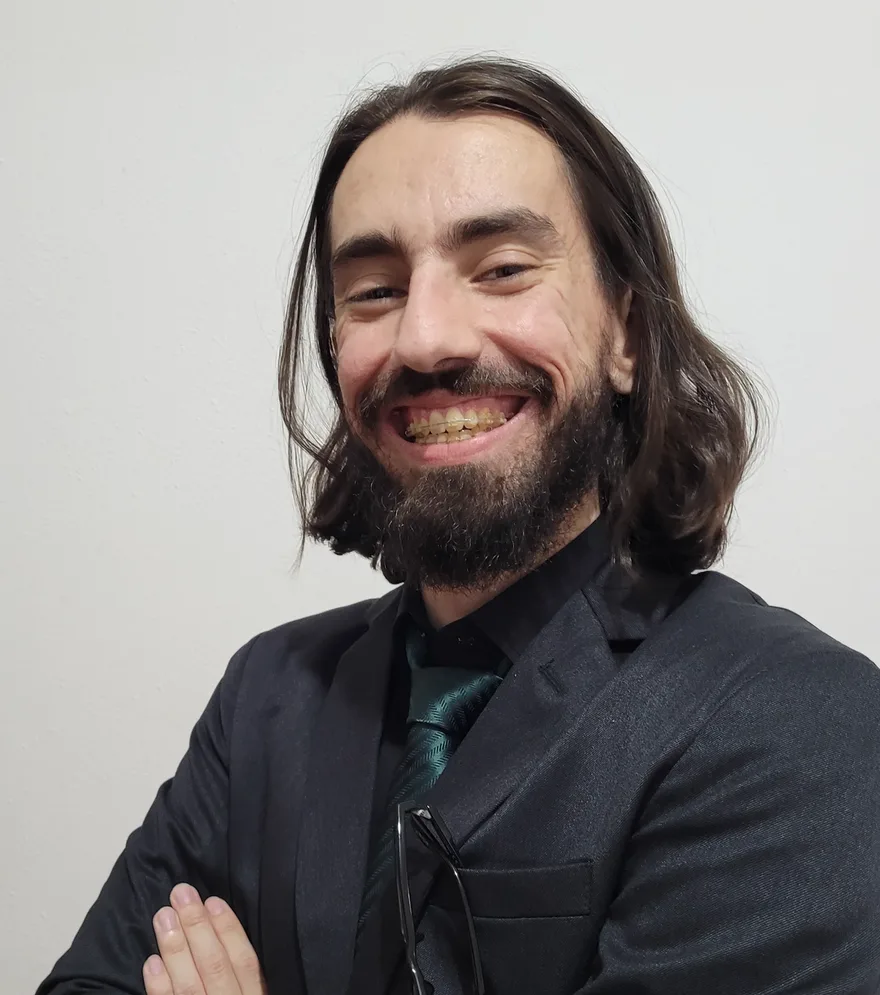
You talk to the person leading your project.
I worked in large and small companies and learned two things: too much bureaucracy gets in the way of business, and real speed only comes with method and quality. MonteDev was born between those two extremes: fast without shortcuts, organized without red tape.
Érico MatthiesenFounder of MonteDev. Software engineer with 9+ years building production systems.
Frequently asked questions
How do I integrate systems that don't talk to each other?
We first map which information needs to pass from one system to the other. Then we connect them, so nobody copies data by hand. If the systems don't allow the connection, we say so in the diagnosis, before any development.
Can a report built by hand in a spreadsheet be automated?
Often, yes. We understand where the data comes from and how the report is checked today, and the result comes out in the format your company already knows.
Does my company really need new software?
Not always. Often the problem can be solved with integrations between existing systems or process automation. That's why we start with a diagnosis — to understand whether the solution is new software, an integration, an automation, or a combination of them.
How do I know if I need integration or automation?
Integration connects existing systems so they exchange information automatically. Automation eliminates repetitive manual tasks. During the operational diagnosis, we identify exactly which approach solves each bottleneck in your company.
Do you work with systems we already use?
Yes. Whenever possible, we work with the tools your company already uses, creating integrations or complementary solutions. We only recommend new software when current tools can't meet the identified need.
Is it possible to migrate data without losing information?
Yes. Data migration is done with detailed planning, complete information mapping, and validations at each step. Our goal is to ensure no important data is lost and operations continue running during the transition.
How does the operational diagnosis work?
It is a 1-hour online conversation. You tell us how the work really flows, we find where the information stalls and separate what hurts most. You leave with one written page: which bottleneck to tackle first and what kind of solution it needs. It costs R$ 440, credited if you continue with us.